

Artical
Difference Between Natural Gold Nuggets and Manufactured Gold

Natural Gold Nuggets vs. Manufactured Gold: How Modern Metal Detectors Tell Them Apart & the Best Tech to Find Both
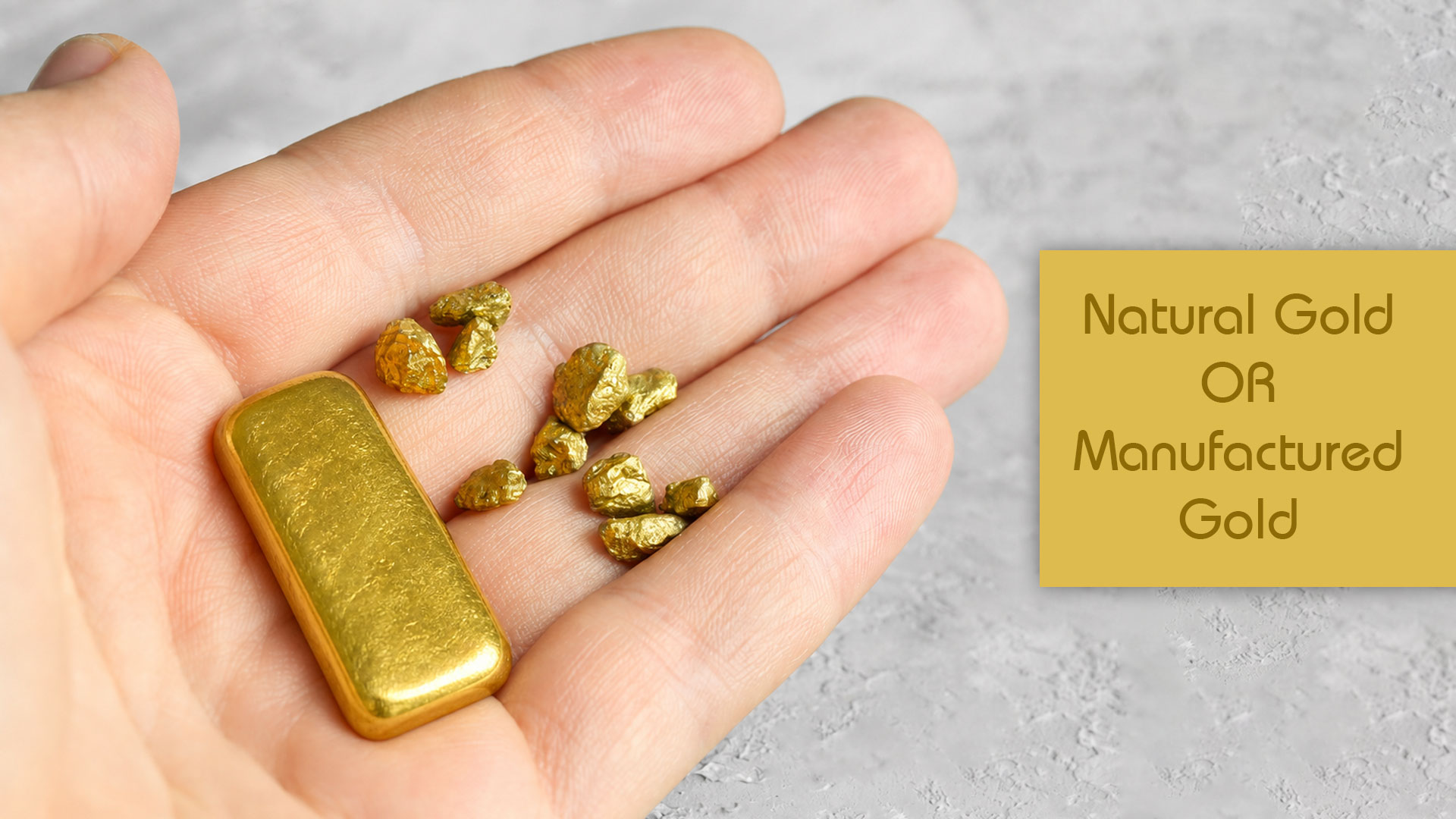
Natural Gold Nuggets and Manufactured Gold? Gold has captivated human civilization for millennia, remaining one of the most sought-after precious metals across the globe. According to the World Gold Council, humanity has mined approximately 212,582 tonnes of gold throughout history, with nearly two-thirds extracted since 1950 alone. Yet, for treasure hunters, prospectors, and detectorists, gold presents a fascinating dichotomy: naturally occurring native gold (nuggets, flakes, and placer gold) versus manufactured or refined gold (jewelry, coins, bullion, and industrial alloys).
While both forms share the core chemical element Au (atomic number 79), their physical purity, metallic composition, internal crystalline structure, and electromagnetic response under a search coil are radically different. Why does a 24k manufactured gold coin produce a completely distinct target ID compared to an unrefined 85% pure alluvial nugget found in highly mineralized ground? And what exact physics and electronic circuitry allow specialized metal detectors to distinguish them from surrounding mineralization and trash iron?
In this comprehensive guide, we analyze the metallurgical differences between natural and refined gold, dissect the electronic science behind detection frequencies and eddy currents, and review four industry-leading detection systems from MWF Metal Detectors engineered specifically for raw nuggets, buried treasures, and manufactured relics: the FALKE, QZ 80, SPARK, and SPARK Gold Nugget.
1. What Is the Difference Between Natural Gold Nuggets and Manufactured Gold?
To understand why metal detectors react differently to various gold targets, one must first look at their atomic composition, formation geology, and physical properties.
Natural Gold Nuggets (Raw & Unrefined)
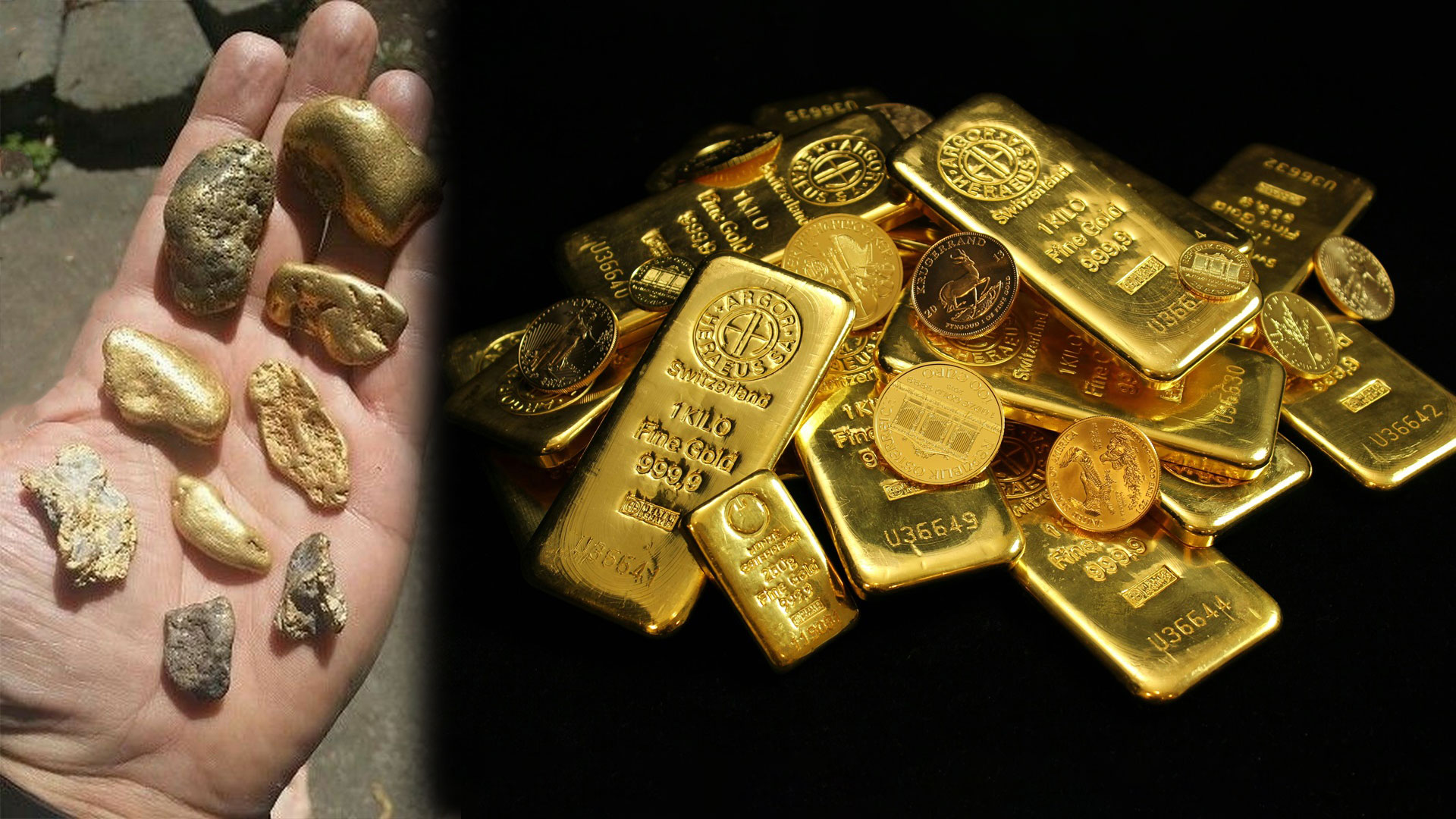
Natural gold nuggets are geological formations weathered out of primary hydrothermal quartz veins and concentrated through alluvial erosion in rivers, creek beds, and desert placers. Key characteristics include:
- ⚡ Variable Purity (Fineness): Raw gold is virtually never 100% pure (24 karat). In nature, gold naturally alloys with silver, copper, iron, bismuth, and platinum-group metals. The fineness of natural nuggets typically ranges between 70% and 92% purity (17k to 22k), with electrum being a naturally occurring alloy containing up to 20% or more silver.
- ⚡ Irregular Geometry & Porosity: Nuggets possess complex, jagged, rough, or porous textures. They often contain internal host rock inclusions (such as quartz or ironstone), which creates discontinuous surface conductivity.
- ⚡ Host Ground Mineralization: Natural nuggets are predominantly situated in difficult soils rich in black sands (magnetite and hematite) or hot rocks, creating massive ground noise interference.
Manufactured & Refined Gold (Jewelry, Bullion, Artifacts)
Refined gold has undergone chemical processing, smelting, and controlled metallurgical alloying to enhance durability, structural strength, or aesthetic hue:
- ✨ Predictable Karatage: Manufactured items are produced with standard metallurgical recipes: 24k (99.9% pure), 18k (75% gold, 25% alloy), 14k (58.3% gold), and 10k (41.7% gold). Common alloying metals include copper, nickel, silver, and zinc.
- ✨ Smooth Geometry & Uniform Density: Coins, minted bars, and jewelry boast solid, uniform casting or stamping with smooth surface planes. This allows eddy currents to circulate evenly across the surface without interruption.
- ✨ Variable Conductivity Profiles: Because lower-karat jewelry contains substantial amounts of copper or nickel, its electrical conductivity and phase shift can vary widely, often overlapping with common junk items like foil or pull-tabs.
Side-by-Side Comparison: Natural vs. Manufactured Gold
| Attribute | Natural Gold Nuggets | Manufactured Gold (Jewelry / Coins) |
|---|---|---|
| Purity Range | 70% – 92% (Native Gold/Electrum) | 41.7% (10k) to 99.99% (24k bullion) |
| Shape / Surface | Irregular, porous, rough, crystalline | Uniform, smooth, stamped, or cast |
| Associated Matrix | Quartz, ironstone, heavy magnetic soil | Soil, sand, clay, loam (lost items) |
| Electrical Conductivity | Low to Medium-Low (due to silver/shape) | Medium-Low to High (depending on alloy) |
| Typical Size Range | Sub-gram (grain) to multi-ounce | 1 gram (rings) to 1,000+ grams (bars) |
2. How Metal Detectors Differentiate Between Gold Types & Target IDs
Metal detectors do not “see” gold chemically; they measure the phase angle shift and eddy current decay induced in a conductive target when subjected to a time-varying electromagnetic field.
According to Faraday’s Law of Induction, an alternating magnetic field generated by the detector’s transmitter coil induces closed loops of electrical current (eddy currents) within the target. These eddy currents generate their own secondary magnetic field, which is captured by the receiver coil.
Phase Angle & Visual Discrimination Indication (VDI)
The relationship between target inductance and target resistance creates a measurable time delay known as a Phase Shift:
- 🔹 Ferrous Materials (Iron, Steel): Display low electrical resistance and high magnetic permeability, returning a low phase angle (typically assigned a low VDI number, e.g., 0–20).
- 🔹 Small / Raw Gold Nuggets: Because tiny nuggets have small surface areas, high electrical resistance, and low inductance, their phase shift is relatively fast. They register in the low-to-mid conductivity spectrum (often VDI 30–55).
- 🔹 High-Karat Coins & Large Silver: Exhibit very high conductivity and high inductance, producing a large phase angle shift (VDI 80–99).
- 🔹 Gold Jewelry (Rings & Chains): Due to open loops (unclosed chain links) and copper/nickel alloying, jewelry often produces phase shifts that mirror aluminum foil, nickel coins, and beverage pull-tabs.
3. The Underlying Technologies Used in Gold & Treasure Detection
Different hunting environments and target types require dedicated electronic architectures. The three primary technological pillars in modern metal detection are:
A. Very Low Frequency (VLF) Single & Multi-Frequency
VLF detectors operate on continuous sine waves ranging from 3 kHz up to 80 kHz or higher. Lower frequencies (3–10 kHz) penetrate deep for large high-conductivity targets like silver or large gold caches. High frequencies (20–75+ kHz) are hypersensitive to tiny, low-conductivity targets, making them ideal for finding sub-grain natural gold nuggets and thin gold jewelry near the surface.
B. Long-Range Locator (LRL) & Molecular Frequency Resonance
Long-range sensing systems are designed for wide-area reconnaissance and large buried treasures. By transmitting targeted electrostatic and electromagnetic frequencies tuned to the molecular resonance of precious metals, LRL systems pinpoint the ionic paths and magnetic fields of deeply buried caches, ancient coins, and veins across hundreds of meters before close-range recovery begins.

4. Recommended MWF Detection Systems for Gold Hunters
For prospectors searching for sub-gram natural nuggets, relic hunters tracking ancient artifacts, and treasure seekers targeting deep caches, MWF manufactures purpose-engineered detection hardware. Below are four highlighted devices built for specific gold detection challenges:
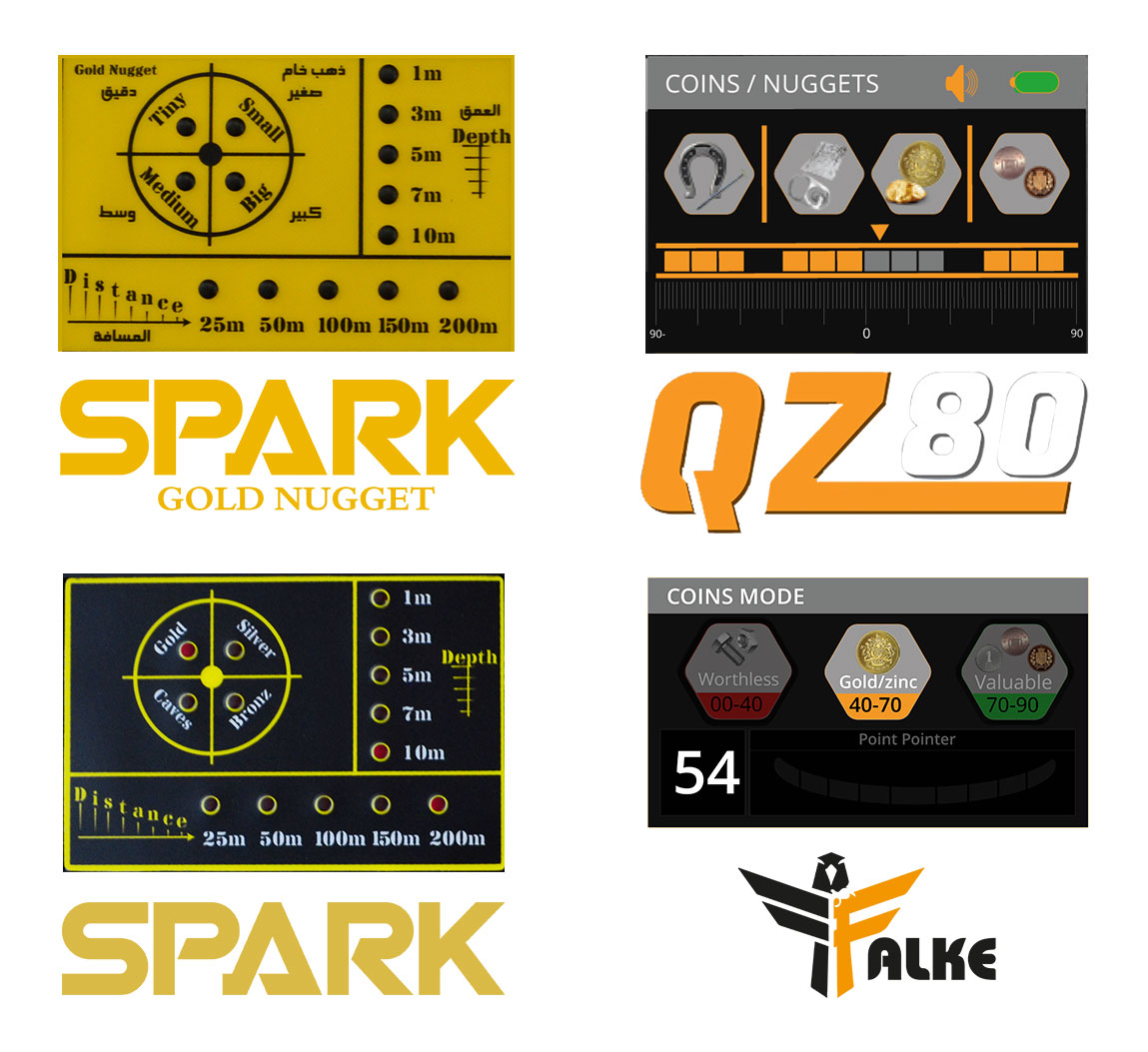
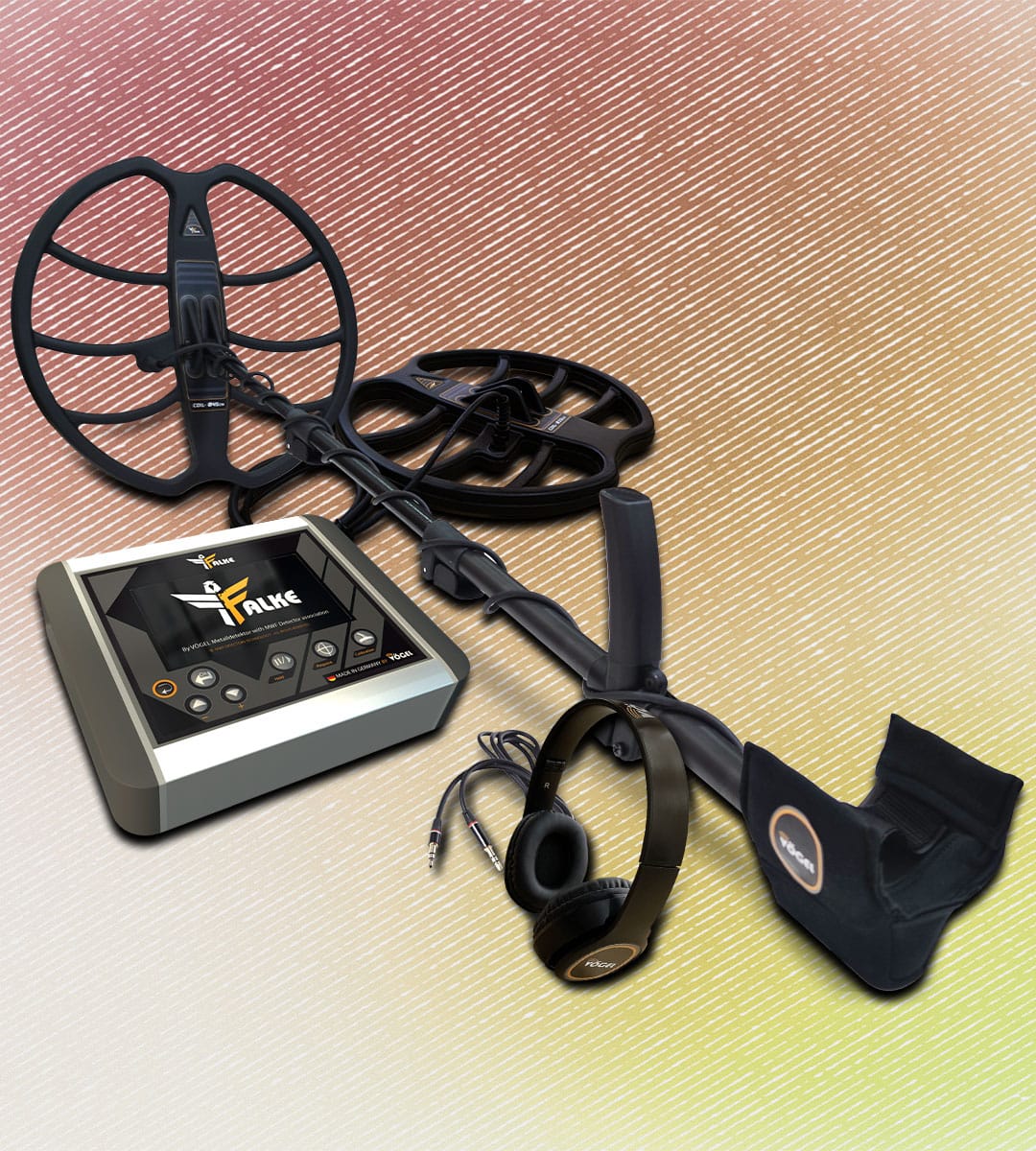
1. MWF FALKE: Multi-System High-Performance Treasure & Gold Detector
The MWF FALKE represents an advanced hybrid detection platform engineered for both unrefined gold prospecting and deep treasure caching. Combining sophisticated signal processing with multi-mode target profiling, the FALKE gives operators immediate identification of buried metals.
- 🏆 Core Technology: Advanced multi-frequency acoustic and graphical analysis with high-speed DSP processing.
- 🏆 Target Specialization: Natural gold veins, raw nuggets, manufactured gold jewelry, silver caches, and ancient relics.
- 🏆 Key Feature — Iron Isolation & Discrimination: Superior ferrous-nulling filters allow users to reject scrap iron and bottle caps while maintaining sensitivity to low-conductive gold targets.
- 🏆 Display & Usability: High-definition visual interface showing real-time target depth estimation, signal clarity index, and phase discrimination parameters.
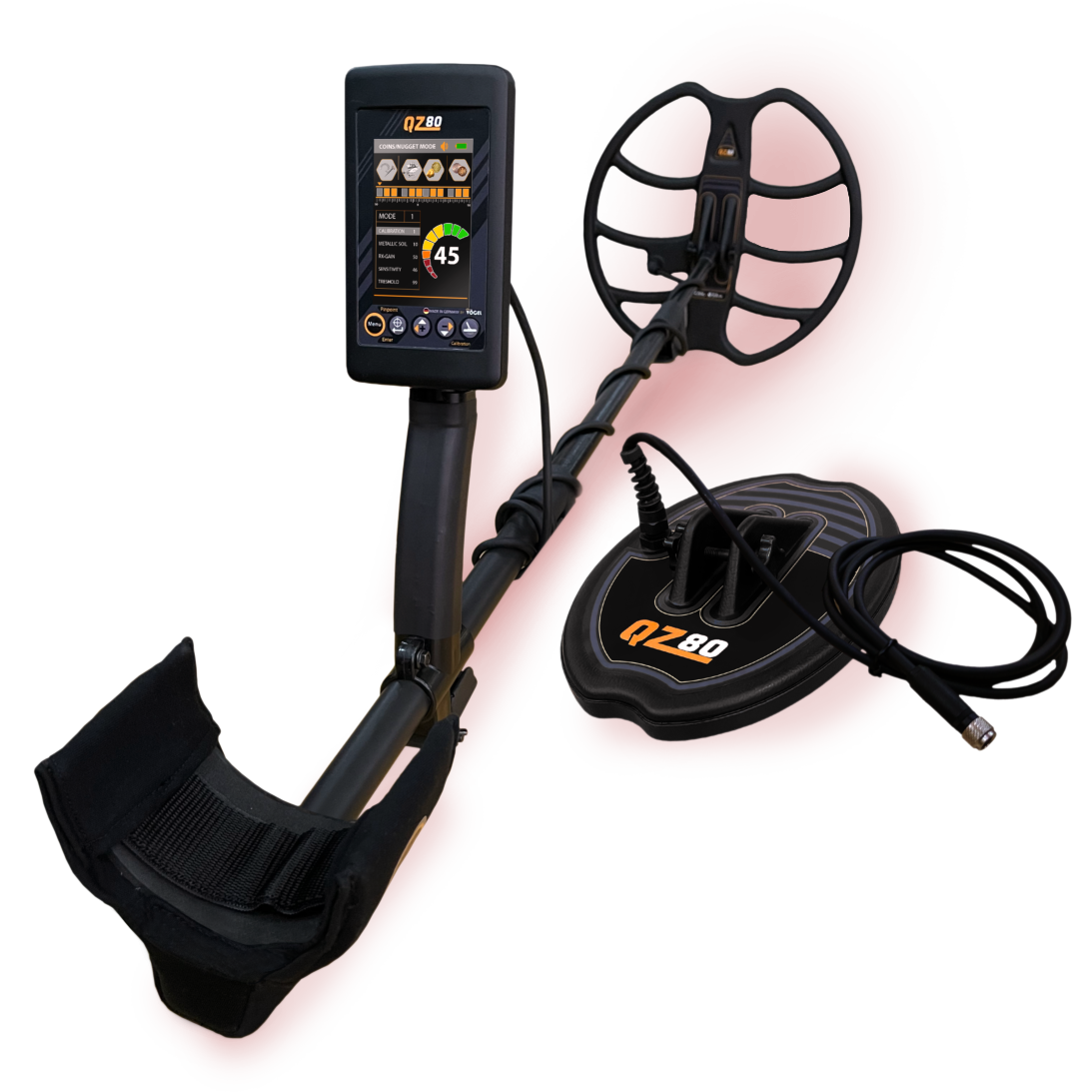
2. MWF QZ 80: High-Precision Pulse & VLF Micro-Target Prospecting System
Designed specifically for challenging search environments, the MWF QZ 80 is tuned to capture minute electromagnetic responses from tiny natural gold flakes and fine jewelry items that ordinary detectors bypass.
- 🏆 Core Technology: High-frequency target acquisition with rapid ground-tracking balance circuitry.
- 🏆 Target Specialization: Sub-gram natural gold nuggets, alluvial placer deposits, fine gold chains, and micro-jewelry.
- 🏆 Key Feature — High-Sensitivity Coil Array: Optimized coil winding engineered to stabilize target ID numbers even when sweeping across highly mineralized volcanic soil and saline coastal sands.
- 🏆 Operational Edge: Exceptional target recovery speed, preventing masking when valuable gold sits adjacent to rusty nails or mineralized hot rocks.
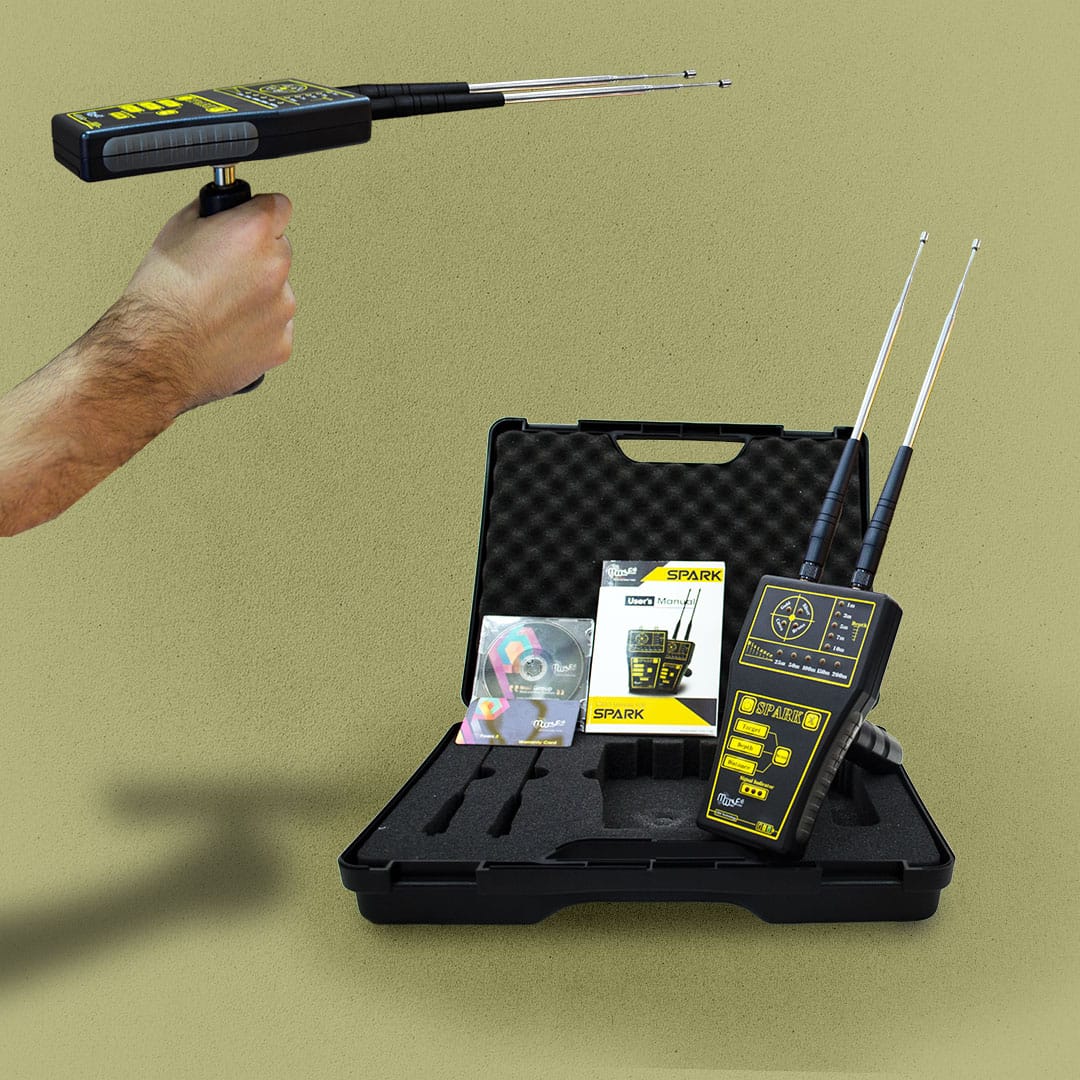
3. MWF SPARK: Dedicated Long-Range Locator for Buried Gold & Treasures
When searching vast terrains, scanning acre by acre with a standard search coil is physically demanding and time-consuming. The MWF SPARK utilizes precision frequency resonance to track buried precious metal fields over substantial distances.
- 🏆 Core Technology: Long-Range Acoustic Sensing (LRL) using tuned frequency transmission.
- 🏆 Search Parameters: Capable of locating targets up to 200 meters distance and reaching depths of up to 10 meters underground.
- 🏆 Target Specialization: Buried manufactured gold treasures, gold bullion hoards, coins, and natural subterranean gold deposits.
- 🏆 Key Feature — Compact Form Factor: Lightweight, highly ergonomic design equipped with acoustic signal guidance to lead the operator directly to the target center.
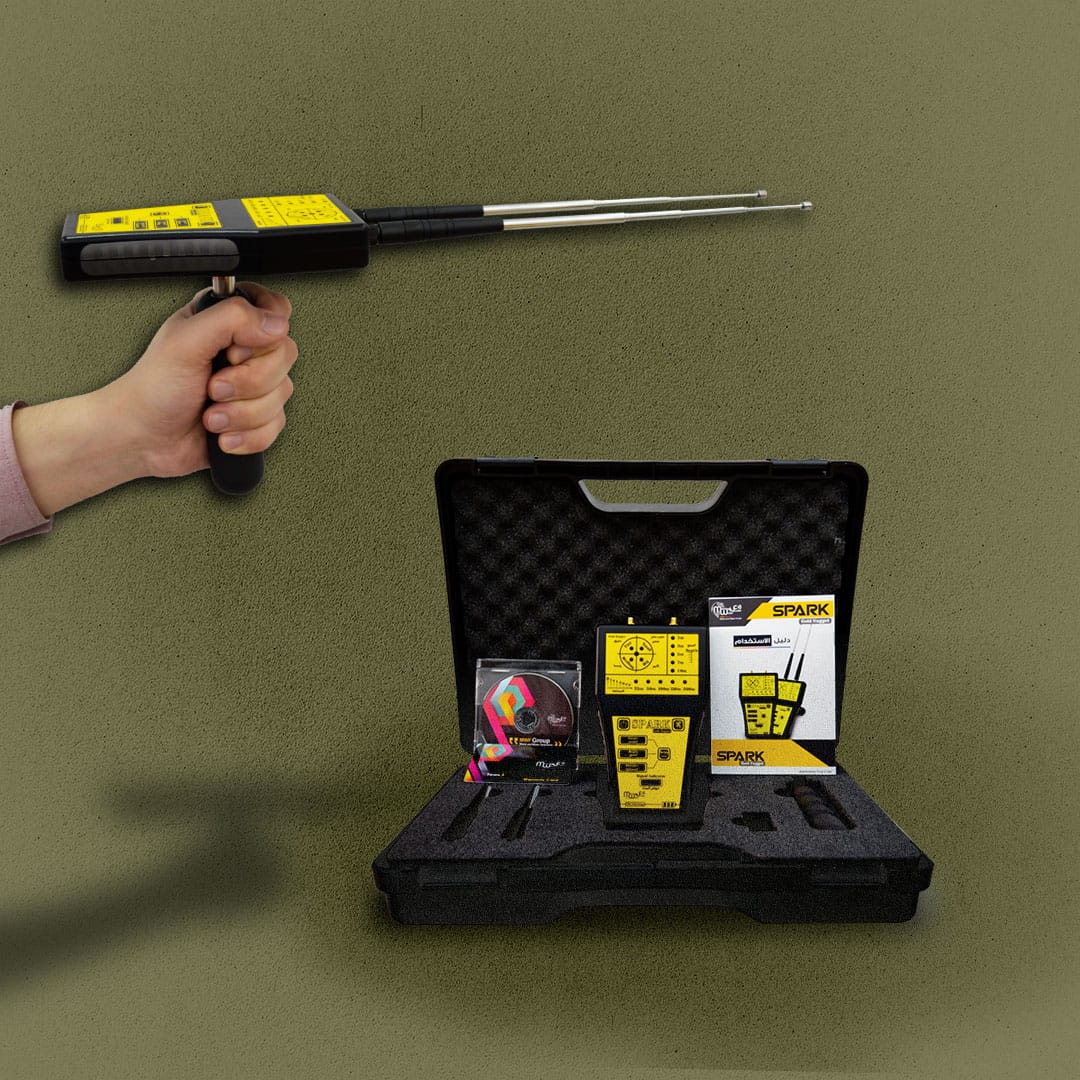
4. MWF SPARK Gold Nugget: Precision Long-Range Raw Gold Explorer
Engineered specifically for alluvial goldfields and raw geological exploration, the MWF SPARK Gold Nugget is calibrated to the molecular resonance frequency of native raw gold nuggets rather than refined alloys.
- 🏆 Core Technology: Specialized Molecular Resonance Long-Range System calibrated for unrefined raw gold (Au-Ag natural matrices).
- 🏆 Target Specialization: Raw gold veins, dry-washer placer beds, alluvial deposits, and deep-seated native nuggets.
- 🏆 Key Feature — Mineralized Ground Penetration: Ignores surface ironstone and basalt interference, directing prospectors to authentic subterranean gold concentrations across large geographical expanses.
- 🏆 Field Benefit: Reduces exploration time by over 80% by narrowing wide prospecting zones down to precise digging perimeters.
| Device Model | Primary Detection Technology | Target Specialization | Max Depth / Distance | Ground Balancing Mode |
|---|---|---|---|---|
| MWF FALKE | Advanced Multi-Frequency / Graphical DSP | Natural Gold, Jewelry, Coins, Relics, Relic Caches | Deep Ground Penetration (Electromagnetic) | Auto Ground Tracking & Manual Calibration |
| MWF QZ 80 | High-Sensitivity Micro-Target Frequency | Sub-Gram Gold Nuggets, Flakes, Fine Jewelry | Optimal for Shallow to Medium Depth Micro-Targets | High-Speed Mineral Neutralization |
| MWF SPARK | Long-Range Molecular Frequency (LRL) | Manufactured Gold Treasures, Coins, Bullion | Up to 200m Distance / 10m Depth | Electrostatic Environmental Filtering |
| MWF SPARK Gold Nugget | Resonance LRL (Raw Gold Calibrated) | Natural Gold Nuggets, Alluvial Beds, Gold Veins | Long-Range Distance Scanning & Vein Tracing | Native Mineral Immunity Filter |
6. Practical Field Tips: How to Maximize Gold Recovery
Finding gold requires a combination of proper hardware selection, environmental understanding, and systematic sweep mechanics:
- 🎯 Match Your Device to Your Target: If searching vast untouched desert terrain for alluvial concentrations, begin with the SPARK Gold Nugget or SPARK for wide-area location. Once the immediate perimeter is isolated, switch to the FALKE or QZ 80 for pinpoint recovery.
- 🎯 Perform Frequent Ground Balancing: In mineral-heavy goldfields, soil conductivity changes every few meters. Always recalibrate your ground balance to maintain maximum target depth and avoid ghost signals.
- 🎯 Listen for Weak, Repeatable Whispers: Deep gold nuggets rarely produce screaming loud tones. Train your ears to pick up faint, consistent threshold changes on your audio output.
- 🎯 Over-Discrimination Causes Missed Gold: Setting iron discrimination too aggressively can cause your detector to ignore small, irregular raw nuggets that have low phase conductivity. Keep discrimination modest in pristine goldfields.
7. Frequently Asked Questions (FAQ)
Can a standard coin detector find natural gold nuggets?
Standard coin detectors operate at lower frequencies (e.g., 6–13 kHz) optimized for high-conductivity silver coins. While they can detect large, multi-ounce gold nuggets, they usually miss typical sub-gram raw nuggets and struggle with the heavy mineralization found in natural gold country.
Why does pure 24k gold register differently than 14k gold jewelry?
Pure 24k gold is highly conductive, whereas 14k gold contains 41.7% non-gold metals (such as copper, nickel, or silver). The presence of these alloying metals shifts the target’s electrical resistance and alters the phase angle, moving the VDI reading into different segments of the discrimination scale.
What is the advantage of using Long-Range Locators like the MWF SPARK?
Long-range systems provide rapid territorial mapping. Instead of swinging a search coil over thousands of square meters, an LRL device detects the target field from a distance, guiding the operator directly to the point of origin.
How do quartz-gold specimen rocks affect detector signals?
Quartz itself is a non-conductive mineral insulator. If gold is locked inside quartz in fragmented strings, the overall eddy current path is interrupted, reducing the signal strength. Specialized detectors with high sensitivity (like the MWF QZ 80 and FALKE) are engineered to capture these fragmented conductive traces.
Understanding the metallurgical differences between raw native nuggets and manufactured gold alloys is the key to mastering your detecting equipment. By deploying purpose-built detection technology—whether sweeping deep with the MWF FALKE, prospecting fine flakes with the MWF QZ 80, or conducting wide-area reconnaissance with the MWF SPARK Series—you significantly enhance your recovery rates in any terrain.
 GOLD DETECTORS
 METAL DETECTORS
 TREASURES
 GEMS DETECTORS
 WATER DETECTORS
 CAVES DETECTORS
 SECURITY SYSTEMS
 VOGEL DETECTORS
 PORTABLE METAL DETECTORS
 Ground Imaging Systems
 Long Range Locator Systems
 Geophysical Survey Systems
 U-VLF SYSTEM
 Ionic Search Systems
 .Acoustic detection Systems
 Integrated Detection Systems
 Hand-held & Pinpointer Systems