

فنيكي
Don’t Buy a Gold Detector Before Reading This Guide

Don’t Buy a Gold Detector Before Reading This Guide
Buying a gold detector is an exciting decision. Whether you are a beginner exploring gold prospecting for the first time or an experienced treasure hunter upgrading your equipment, purchasing the right device can significantly impact your success. However, many buyers rush into this decision based on advertising claims, unrealistic depth promises, or incomplete information. As a result, they often feel disappointed after spending a considerable amount of money.
Before buying a gold detector, you must clearly understand how these devices work, what they can realistically achieve, and what limitations they have. This guide explains the essential facts you need to know before making a purchase. It relies on educational information and publicly available sources to help you make an informed, practical decision.
What Is a Gold Detector?
A gold detector is a specialized type of metal detector designed to locate gold objects underground. Like all metal detectors, it works by generating an electromagnetic field through a search coil. When this field encounters a metallic object, it creates a disturbance in the magnetic signal. The device then alerts the user through sound, vibration, or a visual display.
In simple terms, the detector does not “see” gold. Instead, it detects changes in electromagnetic signals caused by metal objects buried in the soil.
Gold prospectors, archaeologists, treasure hunters, and hobbyists use these devices worldwide. According to publicly available information on metal detection technology, metal detectors have been widely used in security, archaeology, and industrial applications for decades.
Source: Metal detector – Wikipedia
How Gold Detectors Actually Work – Gold Detector Guide
Understanding how gold detectors work helps you avoid unrealistic expectations. All metal detectors operate using electromagnetic principles. The detector’s coil sends a signal into the ground. When the signal hits metal, it bounces back and is interpreted by the device.
However, detecting gold is more complex than detecting other metals. Gold is considered a low-conductivity metal compared to silver or copper. This means gold can produce weaker signals, especially when it appears in small nuggets or flakes.
This is why specialized gold detectors are designed with specific frequencies and technologies to increase sensitivity to small gold targets.
The Main Types of Gold Detector Guide Technology
Before buying a gold detector, it is important to understand the main technologies available on the market.
1. Very Low Frequency (VLF)
VLF detectors are popular among hobbyists and beginners. They operate at specific frequencies that make them sensitive to small gold nuggets.
Advantages:
-
Good sensitivity to small gold
-
Effective metal discrimination
-
Usually more affordable
Limitations:
-
Struggle in highly mineralized soil
-
Limited depth compared to advanced systems
2. Pulse Induction (PI)
Pulse Induction detectors send powerful pulses into the ground and measure the time it takes for signals to return.
Advantages:
-
Better performance in mineralized soil
-
Stable depth detection
-
Suitable for desert environments
Limitations:
-
Limited ability to distinguish between metal types
-
Often more expensive
3. 3D Ground Imaging Systems
Advanced gold detectors may include 3D ground imaging technology. These systems provide a visual representation of underground objects.
Advantages:
-
Visual display of target shape and depth
-
Increased accuracy before digging
-
Useful for professional exploration
However, even with imaging systems, results depend heavily on soil conditions and correct calibration.
The Truth About Detection Depth
One of the biggest misconceptions in the gold detector market is detection depth. Many advertisements claim extreme depths without explaining the conditions required to achieve them.
In reality, detection depth depends on:
-
Target size
-
Target shape
-
Soil mineralization
-
Moisture content
-
Detector frequency
-
Coil size
-
User experience
For example:
-
Small gold flakes may only be detected at shallow depths.
-
Medium-sized nuggets can be found deeper.
-
Large metal objects may be detected at greater depths under ideal conditions.
Physics sets natural limits on detection depth. No device can ignore the laws of electromagnetic behavior.
If a company guarantees extreme depth regardless of soil conditions, you should approach such claims with caution.
Why Soil Conditions Matter More Than You Think (Gold Detector Guide)
Soil mineralization is one of the biggest challenges in gold detection. Gold-bearing areas often contain iron oxides and mineral salts that interfere with electromagnetic signals.
Highly mineralized soil can:
-
Create false signals
-
Reduce depth capability
-
Cause unstable readings
Professional detectors include ground balancing systems that adjust to soil conditions automatically or manually. Proper ground balancing is essential for achieving accurate results.
Without understanding soil conditions, even the most expensive detector may perform poorly.
Common Marketing Tricks to Be Aware Of
Before buying a gold detector, be aware of common marketing tactics:
-
Exaggerated depth claims
-
Guaranteed gold detection promises
-
Claims of 100% accuracy
-
Lack of real technical explanation
-
Overuse of dramatic videos without field evidence
A reliable manufacturer explains limitations clearly and provides technical specifications supported by realistic demonstrations.
Setting Realistic Expectations
Gold detection is not a magic activity. Success depends on:
-
Researching gold-rich locations
-
Understanding geology
-
Learning how to operate the detector correctly
-
Practicing signal interpretation
-
Patience and persistence
Many beginners expect instant results. In reality, experience plays a major role. Even professional prospectors spend hours scanning areas before finding valuable targets.
A gold detector is a tool. Like any tool, its effectiveness depends on the user.
Questions to Ask Before Buying (Gold Detector Guide)
Before making your purchase, ask yourself:
-
What type of gold are you searching for — small nuggets or large buried objects?
-
What type of soil will you be working in?
-
Are you a beginner or experienced user?
-
Do you need advanced imaging features?
-
What is your realistic budget?
Choosing a detector that matches your specific needs is far more important than buying the most expensive model available.
Beginner vs Professional Detectors (Gold Detector Guide)
Beginner detectors are typically:
-
Lightweight
-
Easier to use
-
More affordable
-
Limited in depth and advanced features
Professional detectors are usually:
-
More complex
-
Designed for mineralized environments
-
Equipped with advanced ground balancing
-
Higher in price but greater in capability
If you are new to gold prospecting, starting with a manageable device may be a better option than purchasing a highly complex system.
Maintenance and Long-Term Use
Buying a gold detector is an investment. To ensure long-term performance:
-
Keep coils clean after use
-
Store the device in dry conditions
-
Regularly calibrate the system
-
Charge batteries properly
-
Follow manufacturer instructions carefully
Proper maintenance improves accuracy and extends device lifespan.
Is Buying a Gold Detector Worth It? (Gold Detector Guide)
Gold detecting can be both financially and personally rewarding. Many people enjoy the adventure, outdoor experience, and excitement of discovery.
However, it is important to view gold detecting as:
-
A skill-based activity
-
A long-term learning process
-
An exploration hobby
-
Not a guaranteed source of income
Success stories exist, but they are usually the result of dedication, research, and experience — not luck alone.
Final Advice Before You Buy (Gold Detector Guide)
Do not buy a gold detector based only on advertising. Instead:
-
Learn how the technology works
-
Understand realistic depth limits
-
Consider soil conditions
-
Choose a trusted manufacturer
-
Set practical expectations
Making an informed decision protects your investment and increases your chances of long-term success.
Why the QZ80 Is a Smart Option


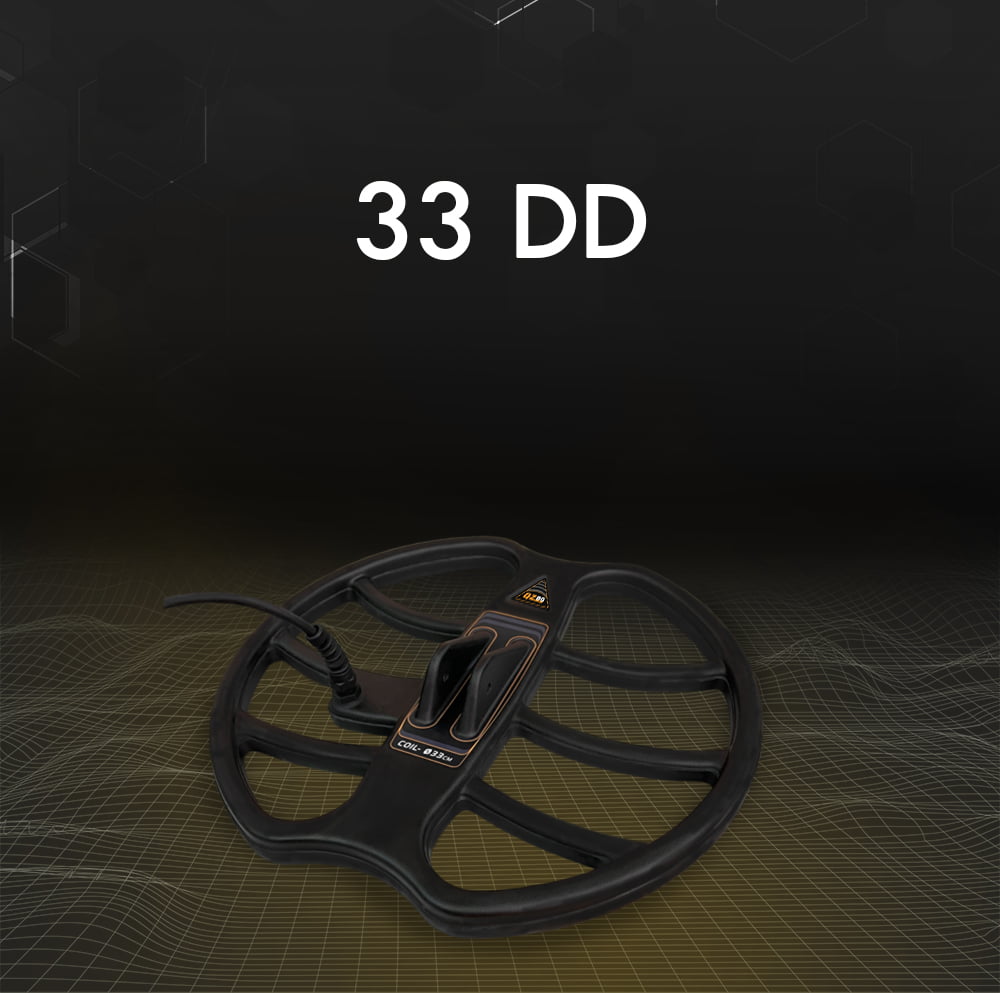
https://mwf-metaldetectors.com/product/qz-80/
Choosing the right gold detector can be confusing, especially with the wide range of devices on the market today. If you want a device that strikes the best balance between performance, usability, and real-world results, the QZ80 stands out as a smart option. In this article, we explore the key reasons why the QZ80 deserves serious consideration — whether you are a beginner, hobbyist, or experienced prospector.
1. Balanced Technology for Accurate Detection
The core of any gold detector’s performance lies in its detection technology. The QZ80 integrates advanced sensing techniques that allow it to detect a wide range of metal targets while maintaining solid sensitivity to gold.
Many detectors emphasize either range or sensitivity, but the QZ80 achieves a balanced approach by optimizing frequency settings, signal processing, and target feedback. As a result, it can detect both small gold fragments and larger metallic targets without sacrificing stability.
This balanced performance makes the QZ80 suitable for various environments, from open fields and dry soil to moderately mineralized terrain. It’s a versatile tool that adapts to real field conditions rather than relying on unrealistic marketing claims.
2. User-Friendly Interface and Smart Controls
One of the biggest challenges for many detector owners is complexity. Advanced devices often confuse users with cluttered menus and technical jargon. By contrast, the QZ80 is designed with intuitive user interaction in mind.
The device’s interface presents essential information in a clear and accessible format. Detection modes, depth indicators, and target strength readings are displayed in a way that both beginners and experienced users can interpret quickly. Even newcomers can begin scanning confidently after minimal setup.
This user-centric approach saves time in the field and allows you to focus on detecting rather than deciphering settings.
3. Versatility Across Detection Tasks
Another standout benefit of the QZ80 is its versatility. Rather than being limited to a single purpose, this device is capable of multiple detection tasks, including:
-
Gold prospecting – detecting small to medium-sized gold targets
-
Metal locating – finding general metal objects buried underground
-
Treasure hunting – locating caches, relics, and buried artifacts
This versatility makes the QZ80 a multi-purpose detector that fits a wide range of use cases. Whether you are exploring remote sites or surveying historical locations, the QZ80 adapts to your goals without requiring separate equipment.
4. Effective Depth and Stability in Diverse Soil Types
Detection depth is often one of the most misunderstood features in gold detectors. Marketing materials may promote exaggerated “maximum depths,” but real-world performance depends on physics and soil conditions.
The QZ80 performs realistically and consistently by offering stable depth readings that reflect actual ground conditions rather than idealized numbers. Its optimized ground compensation system helps adjust for some levels of soil mineralization, improving accuracy and stability.
As a result, the QZ80 delivers dependable depth performance across a range of environments — from sandy fields to loamy soil — without overwhelming interference or frequent false signals.
5. Practical for Beginners and Experienced Users
Many gold detectors target either beginners or professionals, leaving a gap in usability and performance. The QZ80 fills that gap by offering a middle ground that benefits both groups.
For Beginners:
-
Easy setup
-
Simplified controls
-
Clear feedback
-
No need for complex calibration
For Experienced Users:
-
Enhanced signal feedback
-
Adjustable detection modes
-
Stable performance in varied conditions
-
Reliable discrimination settings
This dual appeal makes the QZ80 an excellent starter device that doesn’t quickly become obsolete as your skills improve.
6. Realistic Performance Over Exaggerated Claims
Perhaps one of the most important reasons the QZ80 is a smart option is its emphasis on realistic performance rather than exaggerated claims. In the world of detectors, marketing often prioritizes dramatic depth claims and unrealistic guarantees. These can mislead buyers and result in disappointment during actual field use.
The QZ80’s design philosophy focuses on real results backed by technology that performs in practice. While no detector can promise guaranteed gold finds or extreme depths regardless of conditions, the QZ80 delivers measurable performance gains that are transparent and verifiable.
This honesty builds user confidence and helps you develop genuine detecting skills that lead to success over time.
7. Cost-Effectiveness and Long-Term Value
Price is always a consideration when selecting any electronic device. The QZ80 offers excellent value for money, providing many features found in higher-end detectors without the premium cost.
Rather than paying extra for untested capabilities or unnecessary add-ons, the QZ80 focuses on core detection performance, usability, and real field results. This results in a cost-effective detector that remains relevant and useful even as your detecting skills grow.
Conclusion
The QZ80 is a smart option because it combines balanced detection technology, intuitive design, versatility, stable performance, and cost-efficiency into a single package. Whether you are just starting out or looking to upgrade from an entry-level detector, this device delivers real results rather than empty promises.
Its focus on practical performance over exaggerated advertising makes it a reliable choice for anyone serious about gold detecting, metal locating, or treasure hunting. If your goal is to own a detector that performs consistently, adapts to different environments, and remains easy to use over time, the QZ80 deserves serious consideration.
Frequently Asked Questions (FAQ)
1. Can all metal detectors detect gold?
Technically, most metal detectors can detect gold because gold is a metal. However, not all detectors are optimized for gold detection. Gold is a low-conductivity metal, especially in small nugget form, which makes it harder to detect than silver or copper. Specialized gold detectors use specific frequencies and technologies (such as VLF high frequency or Pulse Induction systems) to improve sensitivity to small gold targets.
2. How deep can a gold detector really detect?
Detection depth depends on several factors, including target size, soil mineralization, moisture content, coil size, and detector technology. Small gold flakes are usually detected at shallow depths, while larger objects may be detected deeper under ideal conditions. It is important to understand that no detector can bypass the physical limits of electromagnetic technology. Always treat extreme depth claims with caution.
3. Why does soil type affect detection performance?
Soil mineralization plays a major role in detection accuracy. Gold-bearing areas often contain iron oxides and mineral salts that interfere with electromagnetic signals. Highly mineralized soil can reduce depth capability and create false signals. Detectors with proper ground balancing systems help reduce this interference and improve stability.
4. Is a more expensive gold detector always better?
Not necessarily. Higher-priced detectors often include advanced features, better ground handling, and improved signal processing. However, the best detector for you depends on your experience level, soil conditions, and detecting goals. Buying a complex professional device without understanding how to use it may not produce better results than using a mid-range model properly.
5. Can a gold detector identify gold specifically?
Most detectors identify metal conductivity levels rather than visually confirming the exact metal type. While advanced detectors can help differentiate between iron and non-ferrous metals, no device can guarantee 100% identification of gold before excavation. Digging and verifying the target remains necessary.
6. What is the difference between VLF and Pulse Induction detectors?
VLF (Very Low Frequency) detectors are generally more sensitive to small gold nuggets and offer better metal discrimination. Pulse Induction (PI) detectors perform better in highly mineralized soil and can achieve more stable depth in difficult environments. Each technology has advantages depending on the search conditions.
7. Is gold detecting a guaranteed way to make money?
No. Gold detecting should not be viewed as a guaranteed income source. Success depends on geological research, experience, patience, and the right equipment. While valuable discoveries are possible, results vary significantly from one location to another.
Various sources on the subject:
 كاشفات الذهب
 كاشفات المعادن
 كاشفات الكنوز
 كاشفات الأحجار الكريمة
 كاشفات المياه
 كاشفات الفراغات
 اجهزة الأمن والحماية
 كاشفات المعادن فوغيل
 كاشفات المعادن المحمولة
 أنظمة التصوير الأرضي
 أنظمة تحديد المواقع بعيدة المدى
 نظم المسح الجيوفيزيائي
 نظام الكشف الكهرومغناطيسي U-VLF
 أنظمة البحث الأيونية
 أنظمة الكشف الصوتية
 أنظمة الكشف المتكاملة
 النظم النقطية المحمولة باليد